
Guides · Historic Replacement
Historic window replacement in St. Louis, explained.
If your home sits in one of the City of St. Louis’s 18 local historic districts, replacing windows requires Cultural Resources Office approval before a permit is issued. Here is how the process actually works, what gets approved, and how to choose windows that pass review and belong on the house.
Step zero
Do I need approval to replace my windows?
In a City of St. Louis local historic district, yes. A permit is required for all exterior work except painting wood trim, and window replacement is explicitly on the list of regulated work. When you apply for the building permit, the Building Division automatically refers your application to the Cultural Resources Office, the city agency that reviews changes against your district’s written standards.
The city has 18 local historic districts, including Soulard, Lafayette Square, Central West End, Shaw, Benton Park, Compton Hill, Fox Park, Hyde Park, Skinker-DeBaliviere, Tower Grove East, McKinley Heights, and The Ville. Each district has its own standards, so the first step on any project is confirming which district you are in and what its standards say about windows.
Outside the city, several St. Louis County municipalities run their own review. Webster Groves, for example, has its own Historic Preservation Commission and Architectural Review Board covering five districts and dozens of local landmarks. The principles are similar, but the process and the paperwork are different, so do not assume city rules apply in the county or the reverse.
The process
How does the CRO review actually work?
The sequence matters more than most homeowners expect, and the most expensive mistakes happen before anyone files anything.
1. Confirm your district and read its window standards. Districts regulate proportions, materials, profiles, and divided lite patterns. What passes in one district may not pass in another.
2. Choose windows that meet the standards before you order anything. The Cultural Resources Office maintains a published Approved Historic Window List. Selecting from profiles that already meet the standards is the fastest path through review. We carry Loewen, Lincoln, and Parrett lines with historically appropriate profiles, and Parrett will replicate an original window when nothing standard matches.
3. Apply for the building permit. In a historic district the application is automatically routed to the CRO for review. Most straightforward permits are approved within about five working days; projects that do not clearly meet the standards go to the Preservation Board, which meets monthly, so a misstep can cost you a month, not a week.
4. Do not skip the permit. Unpermitted exterior work in a district gets stopped with a citation and a 30 day window to file, and unresolved cases go to Housing Court. Replacing windows first and asking questions later is the most expensive order of operations there is.
The most important conversation is the one before you file. Bring us photos and your district name early, and we will help you land on windows that pass review the first time.
What passes
What kind of windows get approved?
Review comes down to whether the new window reads like the original from the street. That usually means matching the opening’s proportions, the frame and sash sightlines, and the divided lite pattern, in wood or an approved finished-metal exterior depending on the district.
Divided lites are where most proposals fail. True divided lites, or simulated divided lites with permanently applied exterior bars and spacer bars between the glass, read correctly. Flat grilles sandwiched between the glass generally do not, and districts can tell the difference from the sidewalk.
One more option worth knowing: where the original windows are sound, a quality storm window preserves the historic sash while solving comfort. We carry Casco storm windows for exactly that case, and sometimes it is the right answer instead of replacement.
The work
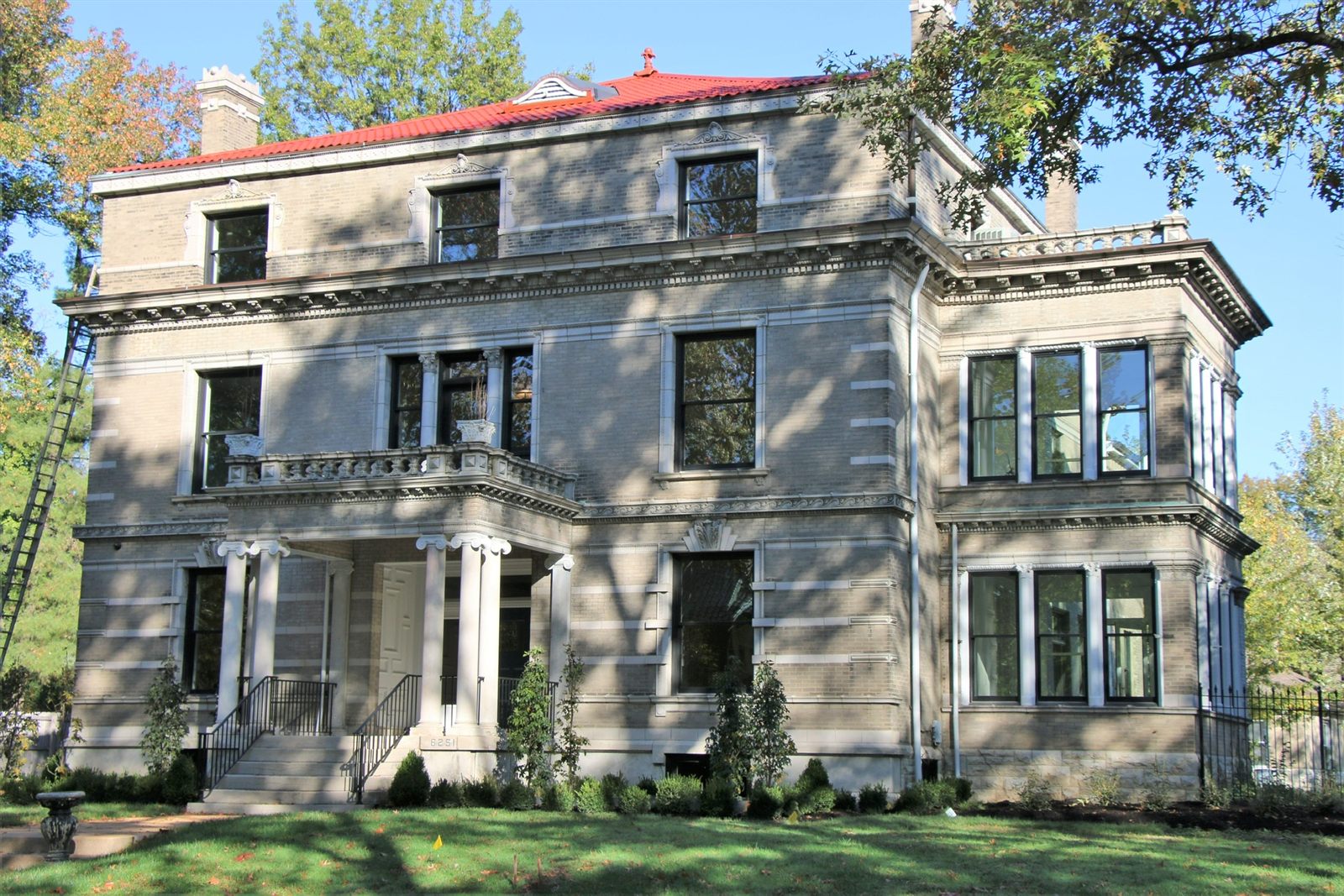
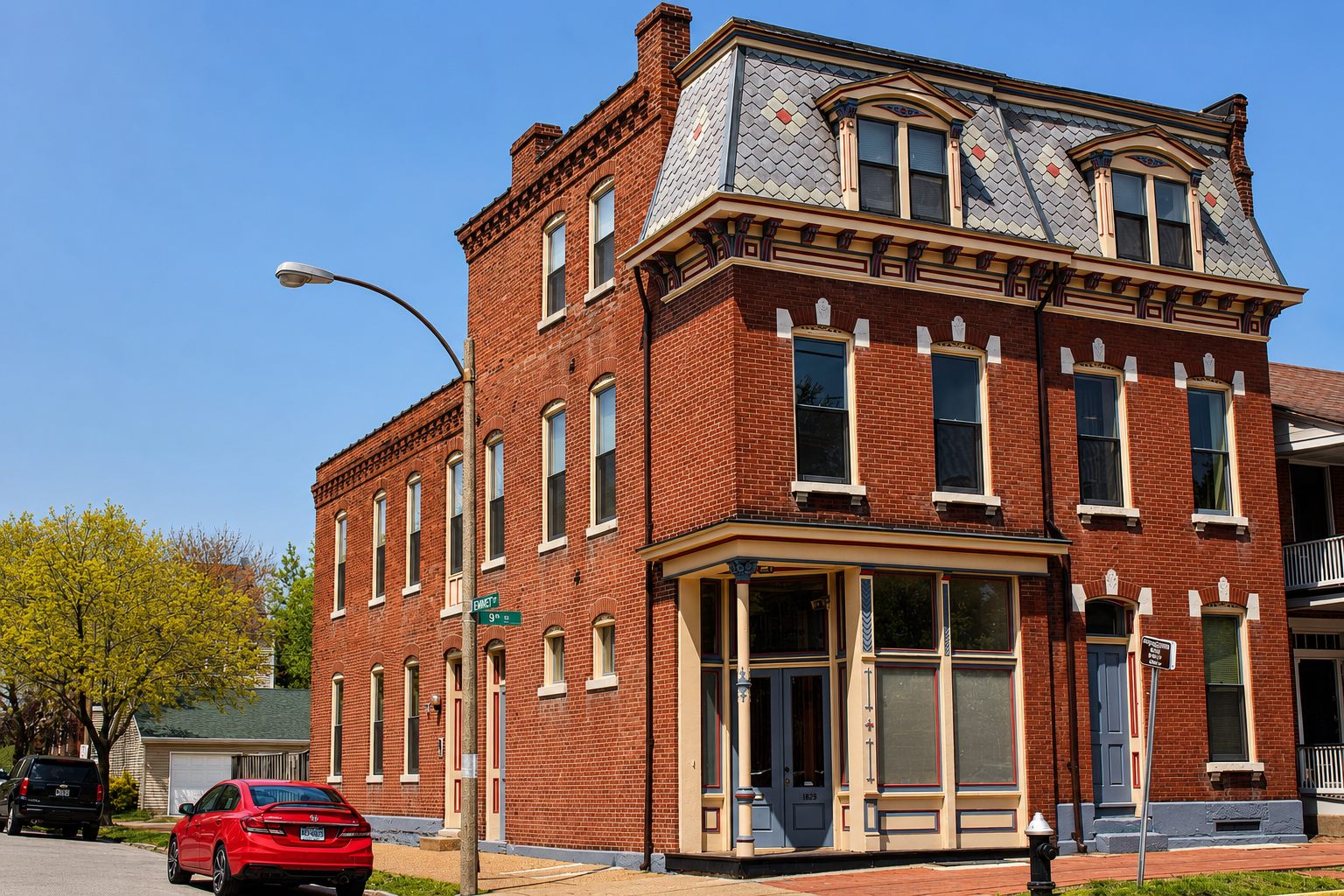
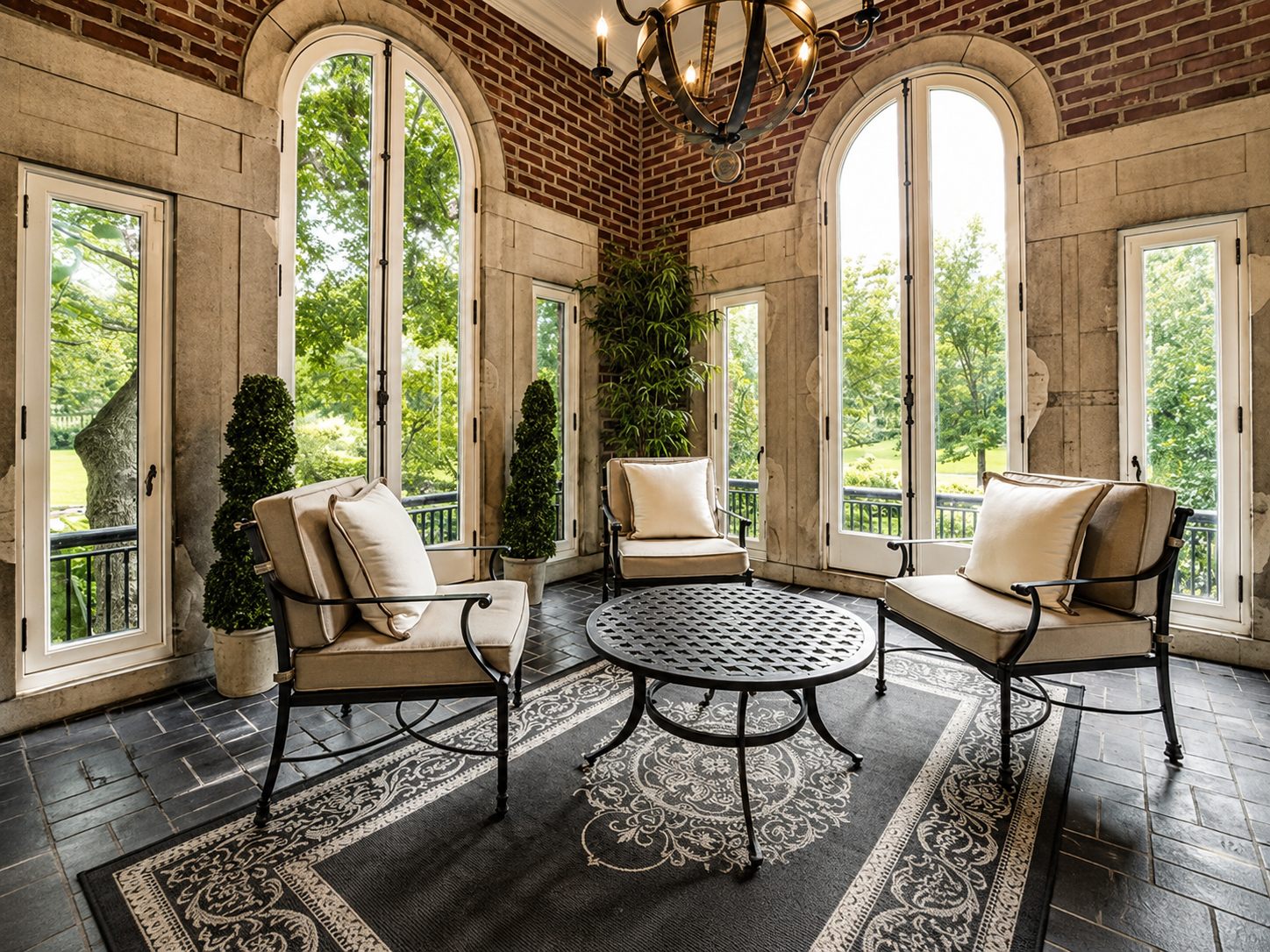
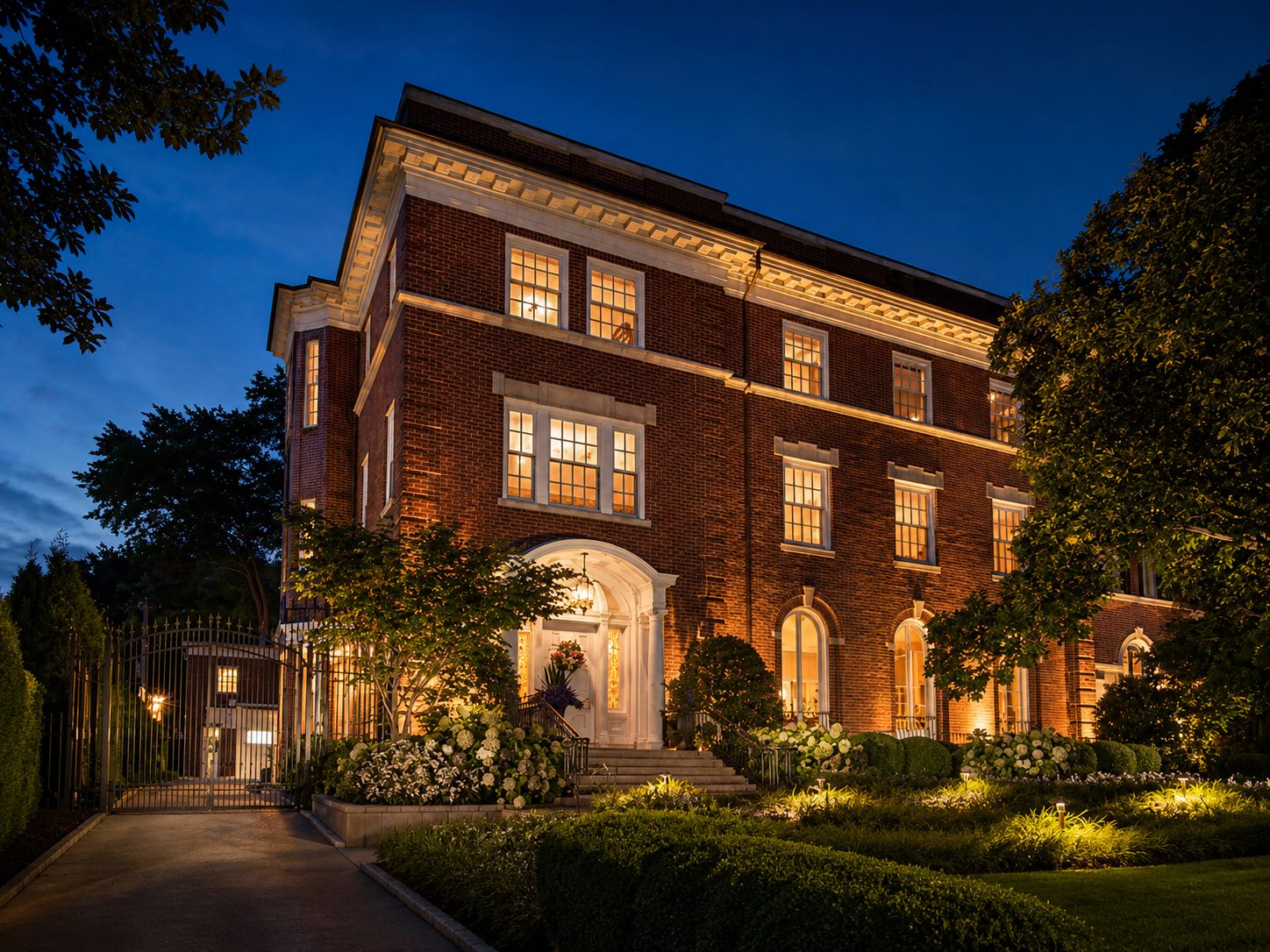
Historic projects we have supplied.
Common questions
Good to know.
How long does historic window approval take in St. Louis?
When the proposed windows clearly meet the district standards, most permits are approved within about five working days of a complete application. Projects that need Preservation Board review wait for its monthly meeting, which is why choosing compliant windows before you file matters so much.
What is the CRO Approved Historic Window List?
It is a list of replacement window products the Cultural Resources Office has already vetted for use in the city’s local historic districts. Choosing from it is the smoothest path through review. We carry lines with approved and historically appropriate profiles, including Loewen and Lincoln, and can replicate originals through Parrett when nothing standard fits.
Do simulated divided lites pass historic review?
Generally yes, when they are done properly: permanently applied exterior bars with spacer bars between the glass, matched to the original pattern and profile. Flat grilles placed between the glass panes usually do not pass because they do not cast shadows or read as real muntins from the street.
Does Webster Groves or Kirkwood use the same process as the city?
No. The Cultural Resources Office reviews projects inside City of St. Louis local historic districts. County municipalities run their own programs; Webster Groves has its own Historic Preservation Commission and Architectural Review Board. We work under both and can tell you which applies to your address.
Talk to us before you file.
Send your district name and a few photos of the existing windows. We will help you get to an approvable specification the first time, and we can support the documentation your review requires.